The global sports industry is experiencing a massive structural transformation.
With international soccer tournaments expanding to 48 teams and utilizing multi-country co-hosting, the global sports market is attracting unprecedented audience engagement, broadcast capital, and fan interest.
We are living in an era where mega-events across North America are completely redefining FIFA World Cup 2026 operations.
So, what is driving this high-octane shift in global athletics? Let’s examine the key stadium innovations and media transformations.
Multi-Host Mega-Events: The Scaled Global Stage
Gone are the days when single cities shouldered the entire financial load of hosting global tournaments. The modern model relies on multi-country co-hosting to maximize fan engagement and tap into expansive international markets.
+-----------------------------------------------------------------------+
|                    THE DYNAMICS OF MODERN MEGA-EVENTS                 |
+-----------------------------------------------------------------------+
|  EXPANDED INFRASTRUCTURE   ---> Multi-Country Co-Hosting              |
|  FAN-CENTRIC BROADCASTS   ---> Ultra-Low Latency & Multi-Cam Feeds    |
|  ATHLETE BRAND POWER      ---> Direct-to-Consumer Social Engagement   |
+-----------------------------------------------------------------------+
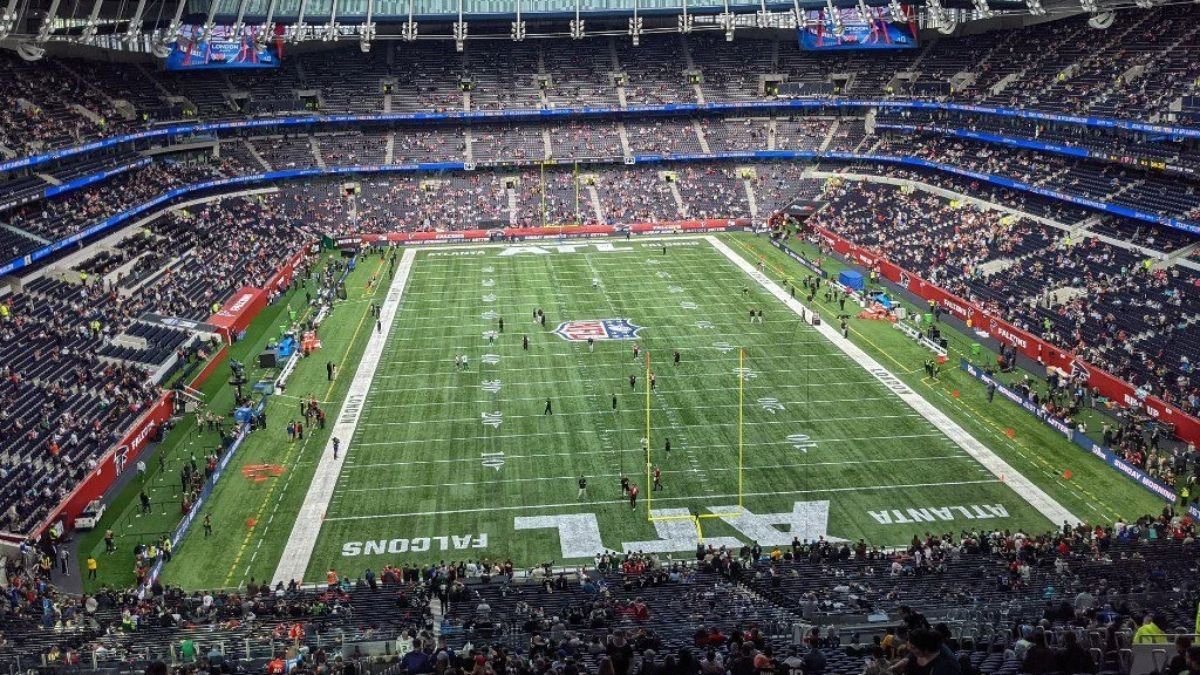
Cross-border events bring historic infrastructural footprints to life. Stadiums pack tens of thousands of live attendees while hundreds of millions tune in via streaming networks, creating a massive ecosystem for global sports tourism and broadcasting rights.
Stadium Tech 2.0: Immersive Fan Experiences
Attending a live match is no longer just about sitting in a seat and watching a score board. Venue operators invest heavily in stadium technology integration.
Key Stadium Innovations Transforming Live Sports
- Biometric Entry & Concessions: Facial recognition gates and automated checkout stalls eliminate long queues at stadium entrances.
- High-Density Wi-Fi 7 Networks: Dedicated high-speed networks allow thousands of fans to stream real-time camera angles simultaneously without network dropouts.
- Real-Time Tactical Overlays: Mobile augmented reality apps allow spectators to point phone cameras at the pitch to view live player tracking and statistics.
Athlete Load Management and Sports Analytics
Behind the scenes, the battle for athletic supremacy is fought in the data lab. Organizations utilize advanced wearable sensors, computer vision, and predictive biometrics to maximize player performance and prevent injuries.
Real-time tracking systems capture player velocity, acceleration, and heart-rate variability. Managers use this data to make split-second substitution decisions during high-stakes matches.
Keywords Integrated
- FIFA World Cup 2026
- Stadium technology integration
- Multi-country sports hosting
- Live sports fan engagement
- Biometric stadium access
- Sports operational analytics
- Athlete load management
- Global sports tourism networks