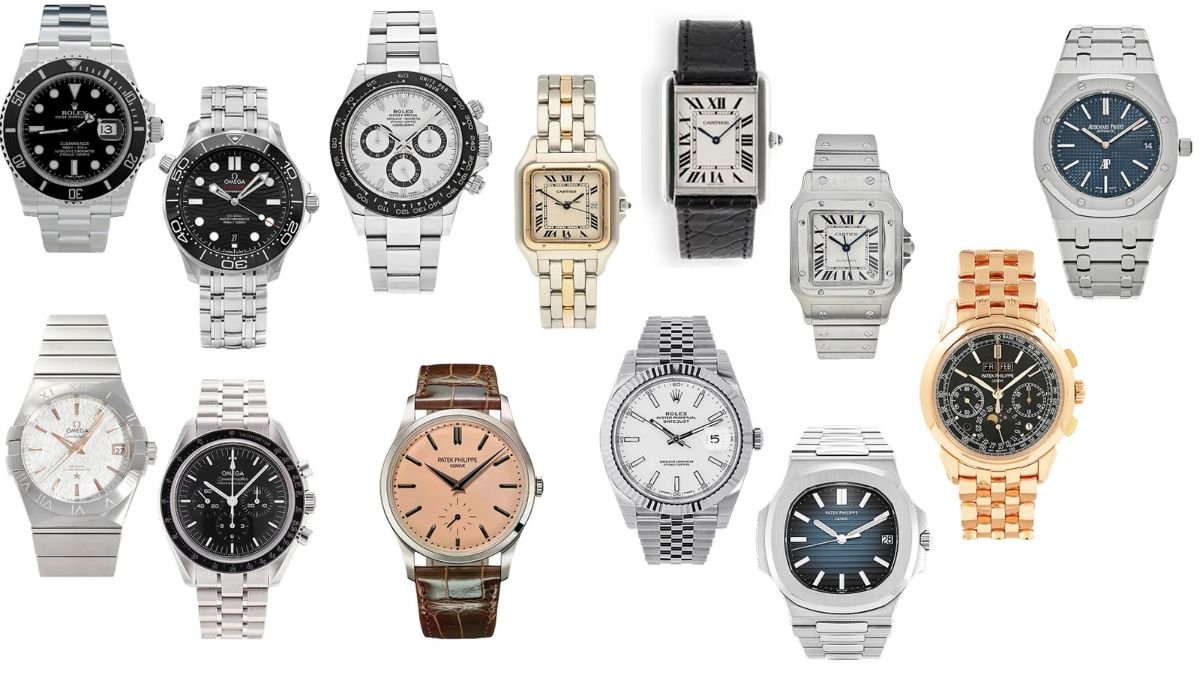
For decades, high-end watch collecting was dominated by a handful of legendary mass-heritage brands. Owning a recognizable Swiss logo was the ultimate indicator of status and success. But the contemporary luxury market has matured significantly. Affluent buyers and seasoned collectors are bypassing mass-produced luxury items in favor of a more exclusive domain: independent horology.
Independent watchmakers—ateliers producing restricted quantities of handmade mechanical movements—have transformed the luxury landscape. Today, owning a timepiece from an independent master is not merely a statement of personal style; it is treated as a disciplined allocation into hard-asset luxury.
The Fatigue of Mass-Market Luxury
To understand the rise of independent watchmaking, one must examine consumer fatigue with inflated retail pricing on mass-produced commercial lines. When major luxury conglomerates repeatedly raised prices on standard steel sports models without introducing genuine mechanical innovations, sophisticated buyers pushed back.
High-net-worth individuals realized that true luxury lies in uncompromised craftsmanship, rarity, and human artistry. Independent ateliers—operating with teams of master watchmakers rather than automated assembly lines—offer microscopic production runs, hand-finished anglage, and unique technical complications that mass manufacturers cannot replicate.
Why Mechanical Timepieces Act as Hard Assets
Unlike digital smartwatches that face rapid technological obsolescence within three years, mechanical watches operate as enduring stores of value. Key drivers behind mechanical watch investment include:
- Intrinsic Material Value: Precious metals, unheated gemstones, and proprietary ceramic alloys provide tangible material backing.
- Micro-Production Rarity: When an independent atelier produces fewer than fifty pieces a year globally, secondary market demand consistently outstrips supply.
- Uncompromised Horological Artistry: Hand-wound calibres featuring tourbillons, perpetual calendars, and dead-beat seconds represent centuries of mechanical mastery.
“True luxury in horology is no longer about wearing a brand everyone recognizes on the street. It is about possessing a microscopic work of mechanical art understood only by those who truly appreciate the craft.”
The Collector’s Mindset: Provenance and Community
Today’s luxury timepiece collector operates much like an art investor. Provenance, original box and papers, archival documentation, and direct relationships with independent watchmakers dictate market valuation. Collectors value the intimate dialogue between patron and artisan, attending private atelier viewings rather than traditional retail boutiques.
As the luxury market continues its structural evolution, independent horology stands out as the ultimate convergence of fine art, engineering precision, and enduring financial resilience.