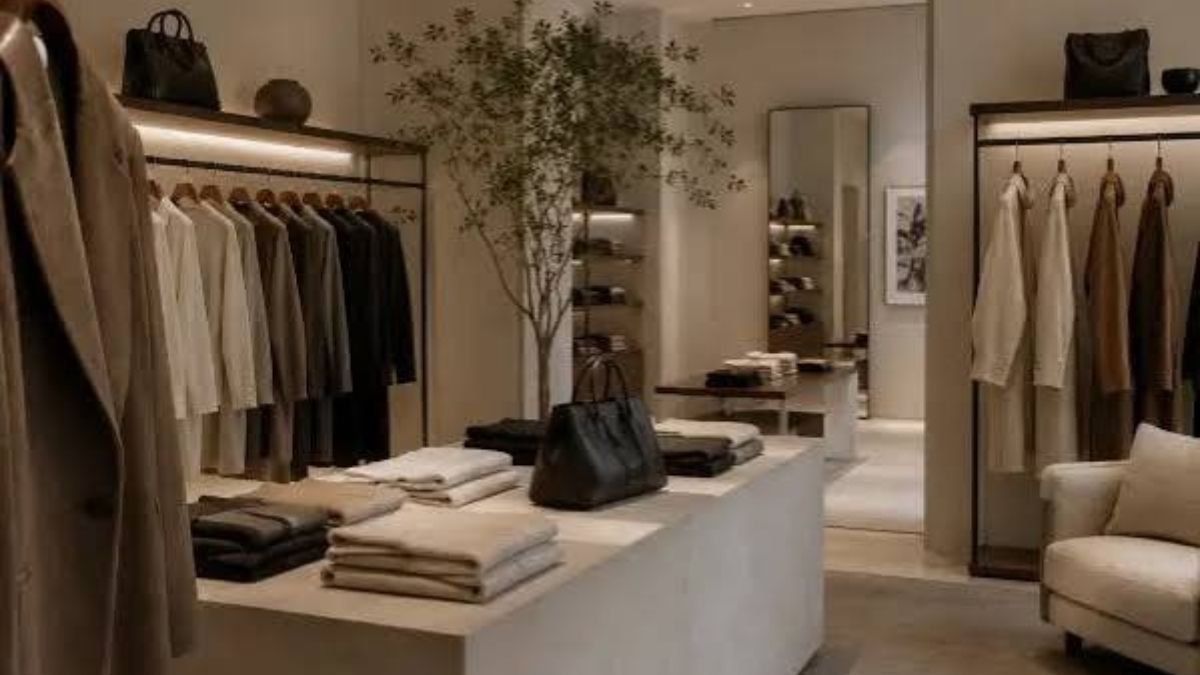
If you’ve been following fashion trends over the last few years, you know the drill: beige cashmere, logo-less leather goods, and a muted, neutral palette designed to whisper “wealth” without saying a word. “Quiet luxury” reigned supreme.
But here’s the reality: luxury buyers are officially over it.
The market has hit a breaking point with uninspired, hyper-inflated basics. Modern luxury consumers aren’t dropping five figures on a plain grey sweater just because it has a heritage tag sewn inside. Instead, affluent buyers are shifting their capital toward two distinct categories: verifiable investment fashion and hyper-exclusive experiential luxury.
Let’s explore why the luxury market is undergoing its biggest structural pivot in a decade—and what high-net-worth consumers are actually buying right now.
The Fatigue of Aggressive Price Hikes
To understand today’s luxury mindset, look at the economic numbers over the past few years. Luxury houses repeatedly hiked prices on core canvas bags and entry-level items, testing the limits of consumer tolerance.
The result? A severe case of consumer alienation.
+-----------------------------------------------------------------------+
|                    THE LUXURY VALUE CONSUMER PIVOT                    |
+-----------------------------------------------------------------------+
|  OLD MODEL: Disposable Luxury                                         |
|  Aggressive Price Hikes ---> Generic Designs ---> Rapid Depreciation   |
|                                                                       |
|  NEW MODEL: Investment & Experiential Heritage                        |
|  Hard Asset Backing (Gold/Art) + Atelier Craftsmanship + Private Venues|
+-----------------------------------------------------------------------+
Aspirational buyers scaled back, and high-net-worth individuals (HNWIs) realized that massive price tags no longer equaled superior craftsmanship. Why pay top dollar for mass-produced items when you can acquire tangible hard assets or tailored bespoke pieces?
Consumers are demanding real, undeniable value for their financial commitments.
Hard Assets Meet Haute Couture: The Shift to True Value
Today’s luxury buyer operates more like an art collector or venture capitalist than a traditional shopper. Wealthy consumers are bypassing fast-trend luxury items in favor of pieces that preserve value over time.
Key Investment Categories Dominating the Market
- Investment Fine Jewelry and Precious Metals: With gold hitting historic price highs, fine jewelry pieces—crafted with unheated gemstones and rare metals—are viewed as inflation-hedged financial assets.
- Collectible Timepieces: Blue-chip horology from independent watchmakers (think F.P. Journe, Philippe Dufour, and limited-run Patek Philippe references) continues to outperform standard equity indexes in secondary markets.
- Archival Fashion & Vintage Resale: Verified pre-owned pieces with documented provenance are outperforming new retail collections. Buyers want rare historical relevance over off-the-rack availability.
Fashion is no longer just about aesthetics—it’s an asset class.
Experiential Luxury: Buying Memories, Not Just Merchandise
Beyond tangible products, luxury spending is pouring heavily into high-end experiences. Affluent clients are shifting budgets from physical closets to private luxury travel, Michelin-starred culinary residencies, and custom atelier visits.
Luxury houses are transforming their brick-and-mortar storefronts into private cultural spaces. Brands are opening private dining clubs, invitation-only exhibition spaces, and personalized workshops where clients actively participate in the creation of their bespoke items.
“Luxury is no longer defined by what you wear on your wrist or carry on your arm. It is defined by access, privacy, and unrepeatable experiences that money alone cannot buy.”
It’s not enough to buy a leather bag; clients want a private tour of the tannery in Tuscany, followed by a dinner curated by a world-renowned chef inside a historic villa.
Hyper-Personalized Clienteling and Tech Integration
Does technology have a place in traditional craftsmanship? Absolutely—when applied with subtlety.
Top-tier luxury brands are utilizing artificial intelligence behind the scenes to enhance clienteling. Modern AI-driven luxury retail systems analyze a VIP client’s aesthetic preferences, purchase histories, and travel schedules to curate private showings before a new collection ever hits public shelves.
When tech works quietly in the background to streamline client experiences, it enhances heritage rather than cheapening it.
The New Blueprint for High-End Lifestyle Brands
The era of relying solely on brand heritage and inflated logos is officially over. To capture modern luxury spenders, brands must offer transparent value, unmatched bespoke craftsmanship, and deeply immersive experiences.
Whether through hard-asset fine jewelry, vintage horology, or private experiential retreats, today’s luxury market belongs to those who offer substance over superficial branding.
Keywords Integrated
- Investment fashion
- Experiential luxury
- High-net-worth luxury trends
- Investment fine jewelry
- Collectible timepieces
- Archival fashion resale
- Bespoke luxury craftsmanship
- AI-driven luxury retail