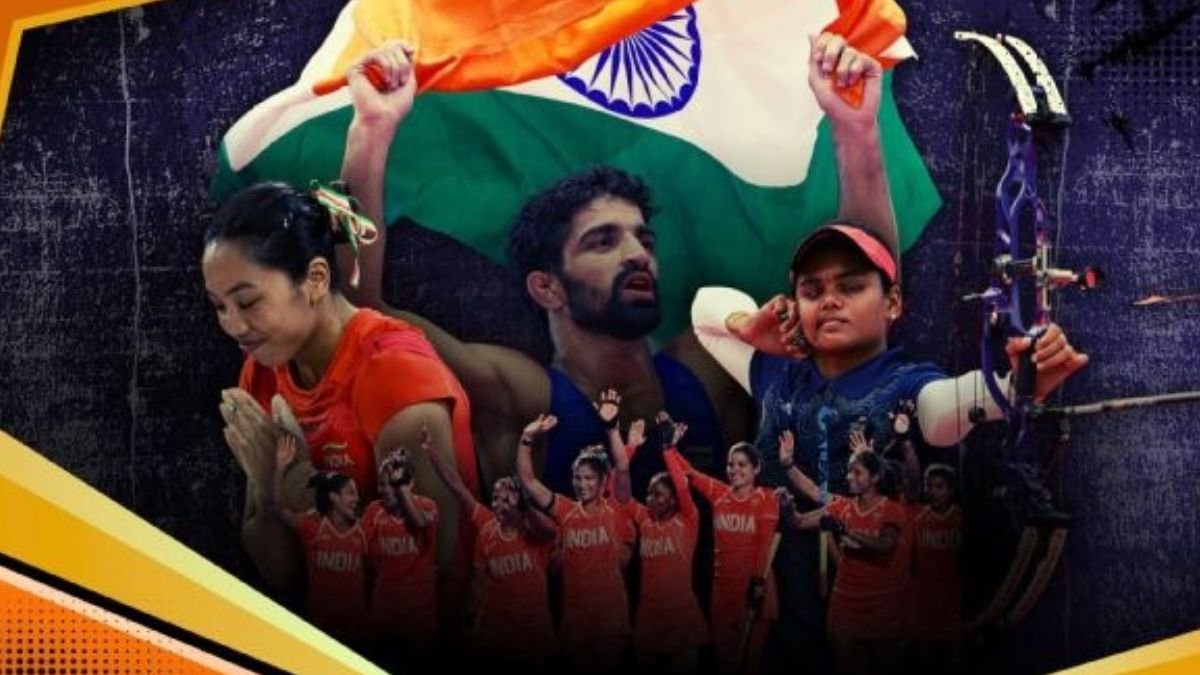
Asian Games 2026: India’s Performance, Highlights and Key Takeaways. Explore the Asian Games 2026 in Aichi-Nagoya, including India’s campaign, major sporting developments, new events and what the results mean for Indian sports. India at Asian Games 2026, Asian Games India performance, Aichi-Nagoya Asian Games, Asian Games 2026 highlights, Indian athletes, Asian Games sports, India international sports.
Asian Games 2026: What India’s Campaign Tells Us About the Future of Indian Sports
The Asian Games are among the biggest multi-sport competitions in the world, bringing together athletes from across the continent. For India, the event is more than a medal competition. It is an opportunity to measure progress across Olympic sports, identify emerging talent and understand how the country compares with established sporting nations.
The 20th Asian Games took place in Aichi-Nagoya, Japan, from 19 September to 4 October 2026. The event featured 43 sports and 71 disciplines, with athletes competing across multiple venues.
India’s campaign attracted attention because of the country’s growing investment in sporting infrastructure, athlete development and international competition.
What Were the Asian Games 2026?
The Aichi-Nagoya Asian Games were the 20th edition of the continental sporting event. Japan hosted the competition for the third time, following the earlier editions in Tokyo in 1958 and Hiroshima in 1994.
The official programme included 43 sports and 469 medal events. The competition brought together athletes from across Asia, creating opportunities for established champions and emerging competitors.
The event also included sports that reflect changing audience interests and the evolution of international competition. These developments matter because the Asian Games often provide a platform for sports that are growing in popularity but may not receive the same attention as athletics, swimming or traditional team events.
India’s Participation in the 2026 Asian Games
India entered the competition with a large multi-sport delegation. According to a Ministry of Youth Affairs and Sports factsheet published by the Press Information Bureau on 6 October 2026, India fielded 501 athletes across 36 sporting disciplines.
More than 300 members of the contingent were making their Asian Games debut, highlighting the importance of the event as a platform for developing future international competitors.
A large contingent is valuable, but participation alone does not measure sporting progress. The more important questions concern the quality of preparation, consistency of performance, depth of talent and the ability to compete against stronger international opponents.
Why Multi-Sport Events Matter for Indian Athletes
International competitions provide athletes with experience that domestic tournaments cannot always replicate.
They face different playing conditions, stronger opponents, unfamiliar venues and the pressure of competing on a major international stage. Such exposure can improve decision-making, confidence and the ability to perform under pressure.
For developing athletes, these experiences can be especially valuable. A competitor who makes an early international appearance may gain a clearer understanding of the technical and physical standards required to progress further.
The Asian Games also allow India to evaluate its performance across several sports at the same time. This helps identify disciplines where investment is producing results and areas where development programmes need improvement.
Five Important Lessons From the Asian Games
1. Talent identification must begin early
India has a large population and a substantial pool of potential athletes. However, identifying talented individuals early and supporting them through structured training remains essential.
Schools, local clubs and state-level competitions can play a major role in building the foundation.
2. Coaching quality matters as much as infrastructure
Modern training facilities are important, but athletes also need experienced coaches, sports scientists, physiotherapists and performance analysts. A strong support system can help translate potential into consistent results.
3. Sports science should become more accessible
Nutrition, recovery, injury prevention and psychological preparation influence performance. These services should not be limited to a small group of elite athletes.
4. More international exposure is necessary
Competing regularly against international opponents helps athletes understand their weaknesses. A planned calendar of overseas competitions can support long-term development.
5. Performance should be evaluated beyond medals
Medals are important, but they do not tell the entire story. Personal bests, qualification standards, consistency and the emergence of younger athletes are also useful indicators of progress.
What Does This Mean for India’s Olympic Ambitions?
The Asian Games provide an important reference point for India’s broader sporting ambitions, particularly the long-term goal of improving performance at the Olympic Games.
However, success at a continental event does not automatically translate into Olympic success. The level of competition, depth of participating countries and qualification requirements can be very different.
India therefore needs sustained investment rather than short-term preparation before major tournaments.
The focus should be on developing strong national competitions, improving coaching systems, supporting athletes through injuries and ensuring that promising performers have access to international exposure.
The Road Ahead for Indian Sports
The Asian Games 2026 should be viewed as one stage in a much longer sporting journey. India’s large contingent and growing interest in multiple disciplines provide opportunities, but the next step is to build systems that produce consistent international performers.
Government programmes, sports federations, private academies and corporate sponsors all have a role to play. Their efforts need to be coordinated around measurable athlete-development goals.
The most meaningful outcome of a major sporting event is not simply the number of medals won. It is whether the country returns with stronger athletes, better preparation methods and a clearer understanding of what must improve.
For India, the real test after the Asian Games is turning international exposure into sustained sporting excellence.
Keywords Used
- Asian Games 2026
- India at Asian Games 2026
- Asian Games India performance
- Aichi-Nagoya Asian Games
- Asian Games 2026 highlights
- Indian athletes
- Asian Games sports
- India international sports
- Indian sports development