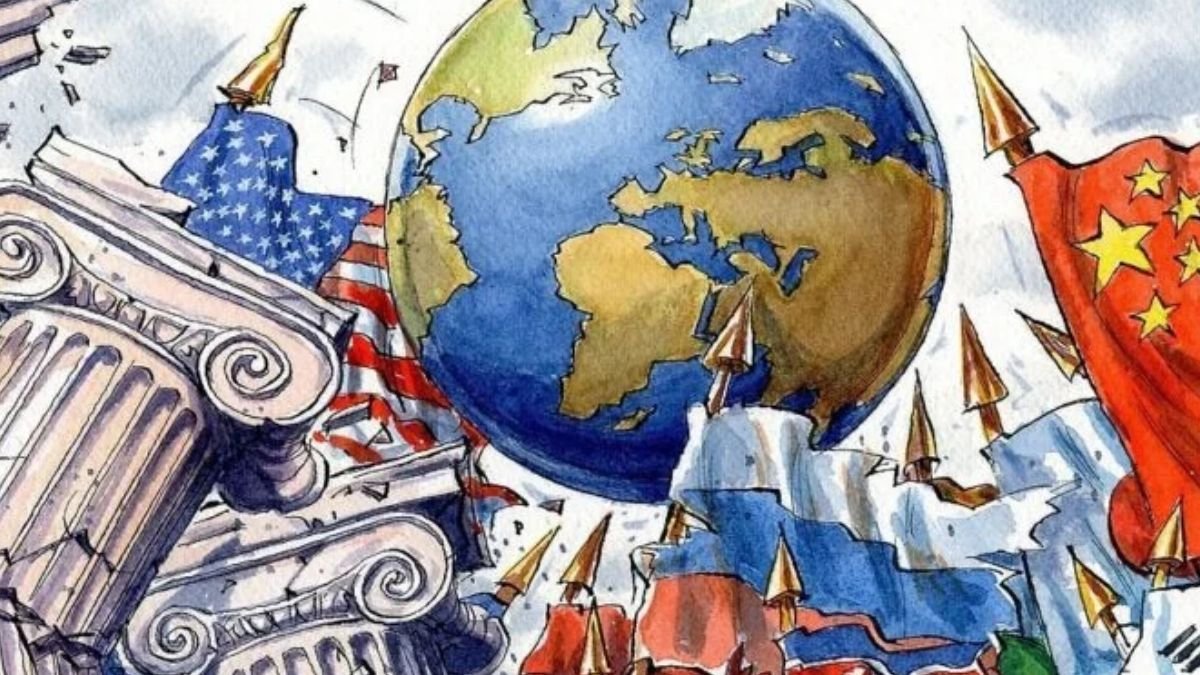
The international political landscape is undergoing a profound structural shift. As voters prepare for the upcoming US midterm elections 2026, governments worldwide are closely monitoring key policy debates surrounding economic sovereignty, the cost of living, immigration, and international trade relations.
Analyzing global political trends today requires looking beyond basic campaign rhetoric to understand the systemic economic and diplomatic forces reshaping modern democracies.
Let’s evaluate the primary factors driving international political alignment.
Domestic Economic Priorities Driving Voter Sentiment
Across major economies, voter behavior is increasingly shaped by immediate economic realities rather than traditional ideological loyalties. Inflation management, housing affordability, job security, and industrial wage growth dominate public debate.
+-----------------------------------------------------------------------+
|                 GEOPOLITICAL POLICY REALIGNMENT                       |
+-----------------------------------------------------------------------+
|  DOMESTIC ECONOMIC PRESSURE   ---> Focus on Wages & Local Manufacturing|
|  SUPPLY CHAIN SECURITY       ---> Friend-Shoring & Reshoring Tariffs  |
|  DIGITAL SOVEREIGNTY          ---> Tech Regulations & Microchip Fabs   |
+-----------------------------------------------------------------------+
In the context of the US midterm elections 2026, congressional control hinges on how political parties address working-class economic concerns while managing national debt levels and healthcare costs.
Economic Nationalism and Supply Chain Security
The era of frictionless hyper-globalization has evolved into a strategic paradigm focused on economic resilience. Recent supply chain bottlenecks convinced policymakers that depending on single-source foreign manufacturing poses significant national security risks.
Key Policy Pivots Restructuring International Relations
- Near-Shoring and Friend-Shoring: Governments incentivize corporations to move essential manufacturing infrastructure back to domestic soil or allied nations.
- Critical Minerals Diplomacy: Securing reliable supply chains for lithium, cobalt, and rare earth elements essential for battery technology has become a foreign policy priority.
- Strategic Industrial Subsidies: Direct public investments in semiconductor manufacturing and clean energy grids ensure long-term technological independence.
Digital Sovereignty and Artificial Intelligence Governance
Geopolitical competition has expanded into digital infrastructure. Governments worldwide are establishing strict regulatory guardrails around advanced microchips, subsea fiber-optic cables, and artificial intelligence development.
National security councils view technological independence as a vital pillar of sovereignty. Nations that control underlying compute infrastructure and data security pipelines will dictate international trade rules for decades to come.
Keywords Integrated
- US midterm elections 2026
- Global political trends
- Economic sovereignty
- Cost of living crisis
- Near-shoring supply chains
- Critical minerals diplomacy
- International trade relations
- Industrial policy shifts