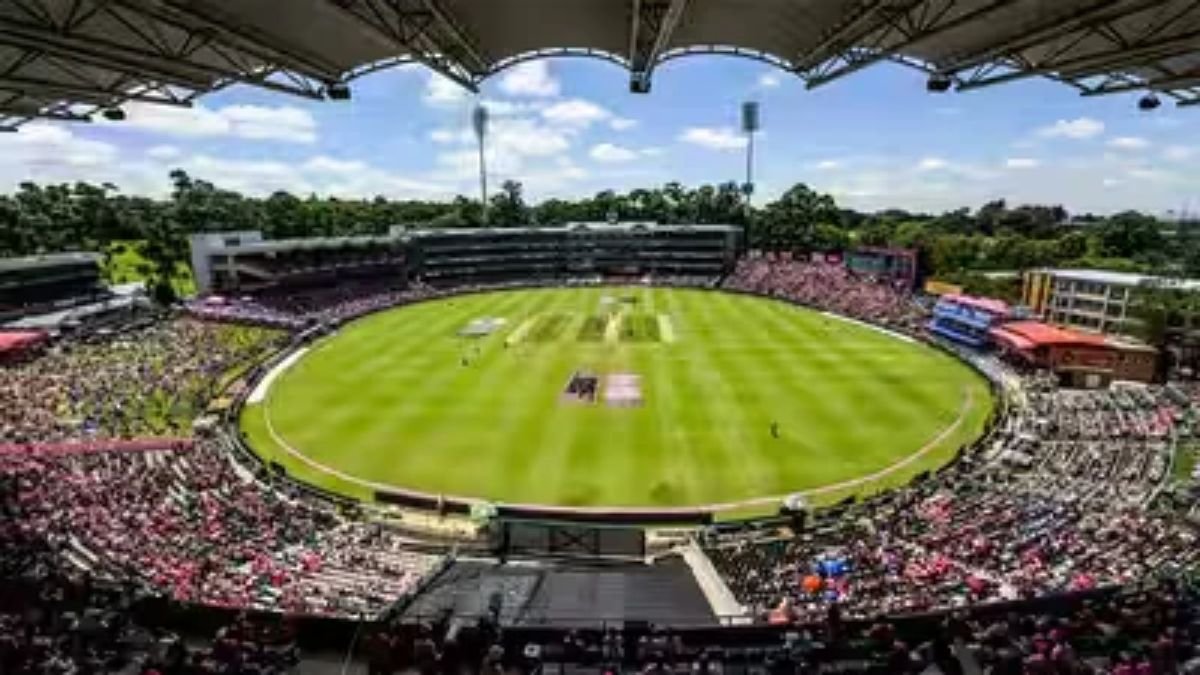
Cricket World Cup 2027 Schedule: Teams, Format, and Venues
Get ready for the ICC Men’s Cricket World Cup 2027 with details on the schedule, host countries, tournament format, ticket ballot, and teams to watch. Cricket fans are already looking ahead to the next major one-day international championship. The ICC Men’s Cricket World Cup 2027 will bring the world’s leading ODI teams to southern Africa for a tournament that promises a different challenge from the fast-paced T20 format.
For supporters, planning begins well before the first ball. Which teams will qualify? How will the tournament work? Where will matches be played, and when can fans secure tickets?
The International Cricket Council has published information about the tournament’s schedule launch, host countries, and ticket ballot. Its October 2026 announcement confirmed that the event will be staged in South Africa, Zimbabwe, and Namibia, with 14 teams scheduled to compete across 12 venues in 57 matches.
The tournament is set to begin on October 2, 2027, with the final scheduled for November 21. These dates and arrangements should still be checked against the ICC’s official updates as the event approaches.
For cricket followers, this is more than another date in the sporting calendar. It is the next major test of depth, preparation, and adaptability in international one-day cricket.
Cricket World Cup 2027: Host Countries and Tournament Dates
The 2027 edition will be hosted across three countries:
- South Africa
- Zimbabwe
- Namibia
The tournament’s regional spread gives fans an opportunity to experience different cricketing environments while introducing international visitors to multiple host destinations.
South Africa has a long history of hosting major international cricket events. Zimbabwe has also produced memorable performances on the global stage, while Namibia’s inclusion provides an opportunity to showcase cricket in a developing part of the international game.
The ICC has announced a schedule-launch programme and a ticket-ballot process for the event. According to its published information, the tournament’s opening stage is scheduled to begin on October 2, 2027, and the final is scheduled for November 21, 2027.
Fans should use the official ICC Cricket World Cup 2027 website for the latest confirmed fixtures, venues, qualification information, and ticket updates.
Why the host-country arrangement matters
A multi-country tournament creates opportunities for more communities to participate in a major sporting event. It can also increase the logistical complexity of travel, accommodation, broadcasting, security, and team preparation.
Supporters planning to attend matches should not assume that every venue is easily accessible from every other host city.
Before booking flights or accommodation, check the actual fixture locations, transport options, visa requirements, and ticket conditions. An attractive itinerary can become expensive if match dates change or travel between venues takes longer than expected.
How Will the 2027 Cricket World Cup Format Work?
The ICC’s announced format includes 14 teams, 12 venues, and 57 matches. The competition is scheduled to use a multi-stage structure that leads to the knockout rounds.
The published tournament outline describes an opening Super Series stage in Windhoek involving three teams, followed by a group stage and a Super 7 phase. The leading teams then advance to the semifinals, followed by the final.
Because tournament regulations and qualification arrangements can be updated, readers should verify the final playing conditions and group structure through official ICC documents.
Why the format matters
Tournament structure can influence how teams approach the competition.
A group stage rewards consistency across multiple matches. A subsequent qualification phase can increase pressure because teams have fewer opportunities to recover from a poor result.
The knockout rounds create a different challenge. One outstanding performance can take a team closer to the trophy, while a single bad day can end a campaign.
This is what makes the World Cup compelling: a team needs talent, but it also needs depth, fitness, tactical flexibility, and the ability to perform under pressure.
Which Teams Could Be Contenders?
It is too early to make definitive predictions about the 2027 finalists. Qualification, player availability, injuries, team selection, and form closer to the event will all influence the competitive picture.
Nevertheless, several established cricketing nations are likely to attract attention.
India
India has a large pool of experienced international players and a substantial domestic cricket structure. The challenge will be assembling a balanced ODI squad that combines top-order batting, middle-order flexibility, pace, spin, and dependable fielding.
The team’s eventual composition will depend on form and fitness closer to the tournament.
Australia
Australia’s history in major ICC tournaments makes it a team that supporters will naturally watch. Its ability to adapt to different conditions, manage pressure, and build a balanced bowling attack could be important.
Past success, however, is not a guarantee of future results.
South Africa
As a host nation, South Africa will have an opportunity to play in familiar conditions, although the venues may still present different challenges. Home support can be energizing, but it also brings expectations.
New Zealand and other contenders
New Zealand has often been competitive in major ICC events, while Pakistan, England, Sri Lanka, and other qualified sides may offer serious challenges depending on their final squads.
The best predictions will come after qualification is complete and teams announce their selections.
What Makes ODI Cricket Different From T20?
T20 cricket rewards rapid scoring and aggressive decision-making within a short match. One-day internationals require a different balance.
Teams have more time to rebuild after losing wickets, but they must still maintain scoring momentum. Batters need to judge when to attack and when to preserve their wicket. Bowlers must plan spells carefully, while captains manage fielding restrictions and matchups across a longer contest.
A successful ODI team generally needs several complementary skills:
- Openers capable of building a platform.
- Middle-order batters who can recover from difficult positions.
- Finishers who can accelerate at the right time.
- Fast bowlers who can take wickets and control the death overs.
- Spinners who can exploit conditions and slow the scoring rate.
- Fielders who save runs and create pressure.
The World Cup adds another layer: teams must perform across a sequence of matches without allowing one defeat to undermine the entire campaign.
How to Buy Cricket World Cup 2027 Tickets
Major cricket tournaments attract demand from local supporters and international travellers. Planning early can help, but fans should use official channels and understand the ballot process.
The ICC’s published information says the ticket ballot for the 2027 tournament opened alongside the schedule announcement in October 2026, with entries scheduled to be considered through November 21, 2026.
Check the official ticket portal for current eligibility rules, dates, match availability, and the terms of the ballot. Availability may differ by match and venue.
Before purchasing travel, confirm whether your ticket is allocated, what happens if a fixture changes, and whether accommodation bookings are refundable.
Avoid unofficial sellers who promise guaranteed access without transparent documentation. Fake tickets and misleading resale listings can turn a major sporting trip into a costly disappointment.
The Business and Legacy of a Cricket World Cup
Hosting a World Cup can generate activity for hotels, restaurants, transport providers, tourism operators, and local businesses. International coverage can also increase visibility for host destinations.
However, economic benefits should not be assumed automatically. Outcomes depend on visitor spending, the cost of staging the event, infrastructure investment, and how much activity reaches local communities.
For cricket boards, the tournament also creates opportunities to develop the sport, strengthen commercial partnerships, and engage younger fans.
The long-term legacy will depend on what remains after the final. Better facilities, stronger grassroots programmes, and wider access to cricket would be more meaningful than a few weeks of attention alone.
What Cricket Fans Should Do Now
The 2027 World Cup is still months away, so there is time to follow qualification, squad developments, venue announcements, and ticket information.
Start with the official ICC website. Follow confirmed fixtures rather than social media rumours, and wait for team announcements before treating potential lineups as final.
For fans planning a trip, it is worth building a flexible itinerary around confirmed matches and realistic travel times.
The anticipation is part of the experience. But good planning makes it easier to enjoy the cricket when the tournament begins.
A World Cup is remembered for its champions, but its story is built match by match—through pressure, resilience, and performances nobody could predict in advance.
Keywords Integrated
Cricket World Cup travel guide
Cricket World Cup 2027 schedule
ICC Cricket World Cup 2027
Cricket World Cup 2027 teams
2027 World Cup venues
Cricket World Cup tickets
ODI World Cup 2027
South Africa Cricket World Cup
Zimbabwe cricket venues
Namibia cricket
ICC tournament format
Cricket World Cup qualification
India cricket team 2027
Australia cricket team
ODI cricket